




Blogging
Seasonal Blogging: How to Plan a Year of Content Around UK Events and Holidays
September 24, 2026
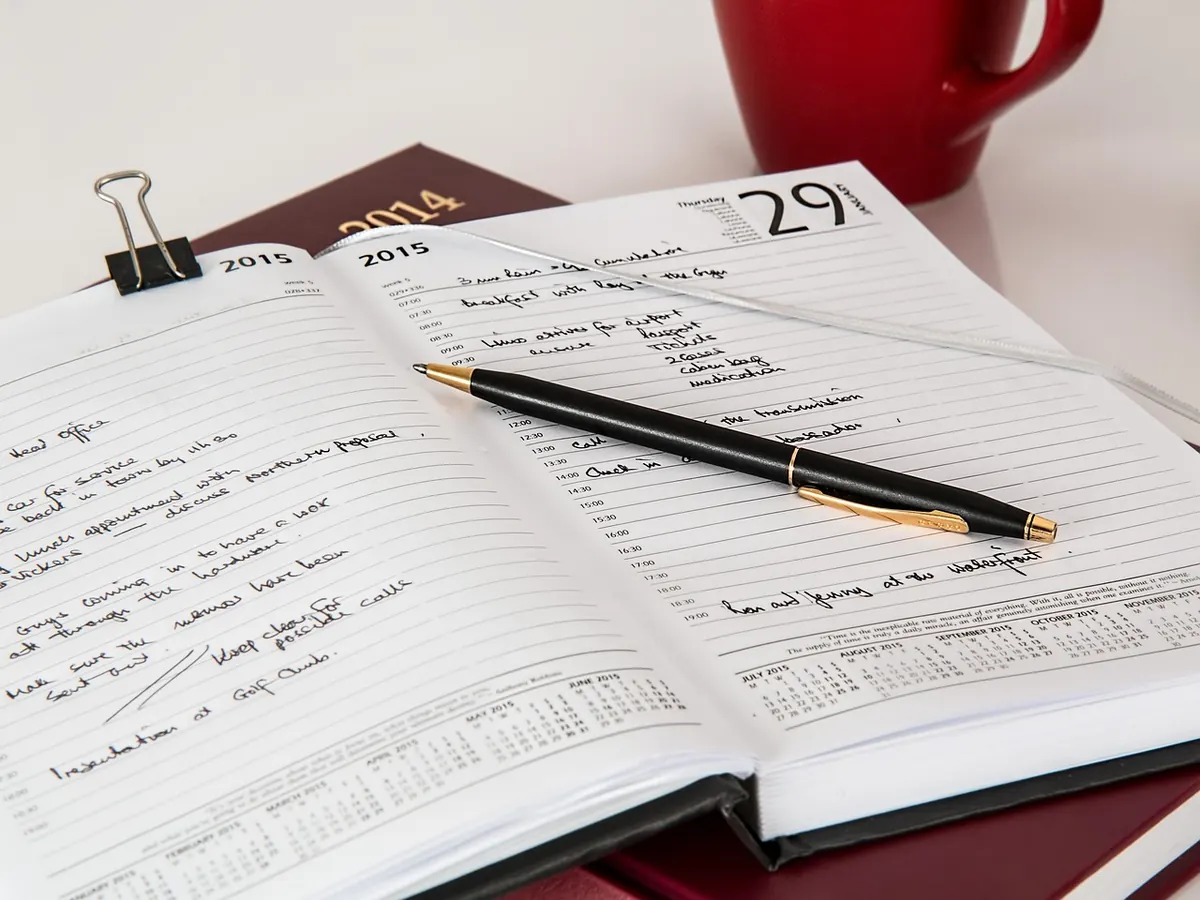
Ask a British reader what is on their mind in early March and the answer is rarely "spring". It is Mothering Sunday, the first daffodils, whether the heating can finally go off, and a vague plan for Easter. Search behaviour follows that rhythm. When you publish around what people are already worrying about, planning or celebrating, your posts stop shouting for attention and start arriving at the right moment. The good news is that the UK calendar is remarkably predictable. You can map a whole year of it in an afternoon, then spend the rest of the year writing.
Start with the Shape of the UK Year
The British year has a reliable architecture. Learn it once and you will never stare at a blank content calendar again.
- January to February — reinvention and restraint. Veganuary, Dry January, budget resets, gym memberships, and the summer holiday bookings made by people who plan far ahead.
- March to May — the light coming back. Mothering Sunday, Easter school holidays, St David's Day, St Patrick's Day, St George's Day, the first bank holidays, garden centres, Chelsea Flower Show.
- June to August — long days and the school term ending. Wimbledon, Glastonbury, festivals, staycations, exam results, the summer break, and the annual hunt for a paddling pool.
- September to November — back to routine. New school year, university moves, autumn walks, Strictly and Bake Off, Halloween, Bonfire Night, Remembrance Sunday.
- December — the festive run. Advent, office parties, gift guides, Boxing Day sales, and the strange, quiet week between Christmas and New Year.
That skeleton covers the whole country, but your niche has its own seasons layered on top. A food blog lives and dies by them. A personal finance blog has its own peaks in January and April. Write your version of the list before you do anything else.
Plan Backwards from the Date, Not Forwards from Now
The most common seasonal blogging mistake is publishing too late. Nobody searches for "Christmas gift ideas for cyclists" on 20 December. They search in October and November, when they still have time to order something. Likewise, summer holiday content peaks in January and February, and back-to-school posts get read in July, not the night before term starts.
So work backwards. Take the date, then ask when people start thinking about it. As a rough guide, allow twelve weeks for anything involving planning, booking or spending real money, and two to four weeks for small, immediate occasions. Pancake Day content can go live a fortnight before Shrove Tuesday. A guide to booking a UK cottage holiday should be out in the depths of winter.
Build a Simple Content Map
You do not need complicated software. A spreadsheet with five columns will do, and a paper notebook will do just as well.
- Choose eight to twelve dates you genuinely want to write around. Fewer, done properly, beats a calendar stuffed with good intentions.
- Note the lead time for each one, working back from the date as above.
- Give each date three angles. A recipe, a checklist and a personal essay are three separate posts from one occasion.
- Decide the format — gift guide, how-to, round-up, review, opinion piece.
- Write in the publication date and set a reminder two weeks earlier for the first draft.
- Batch the work. Draft spring posts in January, summer posts in April, festive posts in September.
Three angles per date is the trick that makes this sustainable. One idea becomes a series, and you are never starting from nothing.
Layer National, Regional and Niche Calendars
National holidays are the obvious layer, and also the most crowded. Everybody writes about Christmas. The opportunity sits underneath.
Regional events are where smaller blogs win. County shows, city marathons, local food festivals, agricultural shows, half-term variations between England, Scotland, Wales and Northern Ireland. A post about a specific town's Bonfire Night will outrank a generic one every time, because that is what people actually type.
Niche and cultural dates matter enormously if they fit your audience: Burns Night, Lunar New Year, Ramadan and Eid, Diwali, Vaisakhi, Black History Month in October. Note that several of these move each year, so check the dates rather than assuming last year's will do.
Keep Evergreen Content Holding the Fort
Seasonal posts spike and then fall away. That is fine, as long as something is holding steady underneath them. Aim for a spine of evergreen content — how-to guides, explainers, reviews that stay accurate — and hang seasonal posts off it.
The two work together well. A seasonal post can link to an evergreen guide, sending new readers somewhere useful when the occasion has passed. That keeps your traffic from flatlining in the quiet weeks of February and August, and it means you are not relying on the calendar for every visit.
Recycle Last Year's Posts Properly
Do not start from scratch every year. Update instead.
Check the dates, refresh the details, fix anything that has changed, add a sentence or two that reflects what you learned last time, and update any internal links. Then republish or re-share it with the new date in the title. A post called "Christmas Gift Ideas for Gardeners" can run for years; one called "Christmas Gift Ideas 2023" becomes dead weight the moment the year turns. Keep your URL slugs free of dates so you never have to choose between accuracy and broken links.
A Plan You Can Start This Week
Open a blank document and list the next twelve months. Mark the bank holidays, the school breaks, and the four or five occasions that genuinely suit your blog. Against each one, write the date you need to publish, working back from when people start searching.
Then pick just one. Draft it this week, while there is no pressure. Set reminders for the rest, and add a note in your calendar for mid-December to review the whole year and decide what worked.
Do that once and you will have a content plan that runs itself, with a fresh reason to publish arriving every few weeks whether or not inspiration turns up on the day.
Photo: stevepb / Pixabay
Related posts
More stories you’ll love reading